Ask ten active people how they manage a stubborn hamstring or an irritable shoulder, and you'll get a grab bag of answers: book a sports massage, see a physical therapist, do more stretching, try cupping, take a week off. The alternatives blur together because both sports massage therapy and physical therapy focus on movement, discomfort, and efficiency. They often share methods and even work side by side in centers and training spaces. Yet they are not interchangeable. Each profession fixes different issues, uses different toolkits, and fits into various minutes of your healing or training plan.
I have actually worked within multidisciplinary settings where massage therapists and physical therapists team up with coaches, doctors, and athletic fitness instructors. The best results come from clear functions and a smart hand-off in between providers. If you're deciding where to begin, it helps to comprehend what each one actually does, where they overlap, and when one is the much better very first stop.
What sports massage actually is
Sports massage treatment is a focused branch of massage treatment that targets the muscles, fascia, and other soft tissues used in sport and workout. An experienced massage therapist brings more than strong hands. They evaluate tissue quality, track how your body reacts session to session, and match techniques to your existing training cycle.
Sports massage draws from a number of methods. Deep tissue work can address thickened bands and persistent adhesions. Myofascial techniques decrease and sink into limited aircrafts so the tissue yields. Cross-fiber friction can nudge collagen to redesign along lines of force. Percussive strokes, flushing, and compression assistance manage post-workout soreness by encouraging fluid exchange. A session before competition is really different from one during a reconstruct block. Pre-event work aims to awaken tissue, improve readiness, and prevent heavy pressure that could dampen power. Post-event work stresses circulation and mild range of motion.
Good sports massage therapists think in regards to load management. If your quads are prepared from hill repeats, they will deal with the front of the thigh but also check hip flexors, adductors, and calves, due to the fact that payments rarely live alone. And they know when not to poke a bear. An acutely stretched hamstring 2 days old does not desire deep pressure. A therapist with genuine sport context recognizes that and adapts.
What physical therapy brings to the table
Physical treatment is a licensed healthcare occupation fixated restoring function, lowering pain, and avoiding disability through examination, medical diagnosis, and treatment. A physiotherapist assesses not just the sign however the system: joint mechanics, strength ratios, motor control, gait or running kind, and the way an area is filled during your life and sport.
PT care includes exercise prescription, manual treatment, neuromuscular re-training, gait or movement analysis, and education around activity adjustment. In numerous areas, PTs likewise use techniques like dry needling, blood circulation restriction, or instrument-assisted soft tissue mobilization. The exercises are not random. They are dosed like medication: specific frequency, intensity, and progression. That dose changes as your tissue capability changes.
Where sports massage focuses on soft-tissue tone and short-term healing, physical therapy constructs the scaffolding that keeps you moving well when pressure is removed. Consider PT as a structured path from injury or dysfunction back to efficiency, with checkpoints and objective measures. Range-of-motion numbers matter, but so do single-leg control, hop screening, and time to fatigue. A well-run PT plan provides you tools you can pack by yourself, long after the formal visits end.
Licensure, scope, and who does what
The distinction isn't merely style, it's scope of practice. A massage therapist is trained and certified to control soft tissues for purposes like relaxation, discomfort relief, and performance readiness. They do not diagnose medical conditions, order imaging, or prescribe therapeutic workout plans that treat a diagnosis. They can teach stretches and self-care, but not in the very same authoritative, pathology-driven sense.

A physiotherapist is trained and licensed to assess, detect movement problems, and treat those impairments with workout, manual treatment, and education. PTs can screen for red flags that require medical recommendation, file practical deficits for insurance coverage, and advance a patient along a validated rehabilitation pathway. Many PTs deal with professional athletes and use manual strategies that feel similar to massage, which is part of why the lines can look fuzzy from the table. The legal and medical goals are different.
In practice, a runner may see a massage therapist weekly throughout heavy training to remain flexible and comfortable, then relocate to PT if knee discomfort changes gait or lingers past a taper. Alternatively, a PT might get somebody out of acute Achilles tendinopathy, then hand off to a massage therapist for maintenance throughout the return to racing.
Overlap and why it can be confusing
Both occupations utilize hands-on work. Both talk about fascia, trigger points, movement, and discomfort. Both may spend part of a session on your hips when your problem is low-back tightness. And in efficiency settings, therapists from both sides typically exchange notes and see the exact same movement videos.
Two main differences keep them distinct. Initially, the main outcome: massage sessions go after tissue quality and instant changes in comfort or movement, which can be powerful, specifically when timed around training. PT sessions go after resilient enhancements in function that hold up under load, developed through progressive exercise and motor control work. Second, the decision-making lane: PTs utilize differential medical diagnosis to rule in and out possible sources of discomfort. Massage therapists examine tissue and movement to guide treatment within a non-diagnostic frame.
How sessions feel different
A sports massage appointment often starts with a quick chat about training, soreness, and event dates, then targeted work on concern regions. The therapist takes note of how the tissue reacts minute to minute. You may stand and retest a squat or lunge midway if the therapist wishes to see a modification. The goal is to leave feeling looser, lighter, and ready. Post-session instructions center on hydration, simple motion, and what to anticipate the next day.
A physical therapy session usually starts with a more official assessment. Expect range-of-motion measurements, strength tests, movement screens, and a conversation of pain history and aggravating aspects. The strategy may combine manual labor with corrective workout. You will likely leave with a home program that fits your schedule and devices. Expect reassessment every few sees and a clear progression: more load, more complexity, less guidance over time.
When sports massage is the better first stop
Sports massage shines when you are healthy sufficient to train but are bumping versus soft-tissue limitations. Examples surface daily. The swimmer whose lats and serratus get bound up throughout a build week, costing enhance. The bicyclist who fights TFL tightness whenever volume climbs up. The lifter who loses shoulder external rotation as bench numbers peak. None of these circumstances scream injury. They indicate the need for much better tissue tolerance and recovery.
Pre-event sessions can likewise help. I have actually seen sprinters hit better block positions after a 20 minute tune of hip flexors and adductors. The modification is not strength, it is immediate access to movement. Post-event, flushing work can decrease that wooden-leg feel and make the next training day productive rather of a throwaway.
Recurring desk stress belongs here too. Workplace athletes who run or lift at night frequently bring neck and scap tension into their sessions. A 45 minute targeted massage ahead of a strategy day can be the difference in between drilling great positions and enhancing bad ones.

When physical therapy need to lead
Red flags and stubborn patterns require a PT's diagnostic lens. If discomfort sharpens with specific movements or lasts more than numerous weeks, start with PT. If you are modifying your stride, your stroke, or your squat depth to prevent discomfort, get assessed. If pins and needles, tingling, giving way, night discomfort, or real weak point show up, avoid the table and go to a PT or physician.
Classic PT-first cases include tendinopathies that penalize you when you increase volume, lingering discomfort after an ankle sprain, recurrent patellofemoral pain in runners, shoulder impingement that flares with overhead work, or neck and back pain that radiates. These conditions improve with graded loading, not repeated short-term softness alone. Manual treatment can reduce securing so the workouts land, however the workout development is the engine.
Surgery recovery, naturally, sits squarely in PT area. Massage can assist at specific stages with scar mobility and comfort, however the remodel timeline, load development, and return-to-sport decisions belong with a physical therapist.
Evidence and expectations
Massage research regularly reveals short-term advantages for viewed recovery, discomfort relief, and versatility. The gains in series of movement may be modest and short-lived, but tactical timing can turn those temporary modifications into better positions in training, which compounds. Expect modifications to last hours to a number of days, with resilience enhancing when you layer self-care and sound programming.
PT research study supports exercise-based rehabilitation for typical injuries like Achilles and patellar tendinopathy, rotator cuff problems, and low-back discomfort. The impact sizes grow when programs are followed and advanced. Manual therapy within PT can enhance discomfort and movement in the early phases, functioning as a bridge to better loading. Anticipate https://connermwzm331.theglensecret.com/deep-tissue-vs-swedish-massage-which-treatment-is-right-for-you the arc to run weeks to months, with quantifiable checkpoints. That timeline is not a failure of speed, it is tissue physiology doing its job.
The gray locations where either can help
Not everything sits nicely in one lane. A rower with rib flare and stiff thoracic rotation might respond to two excellent sports massage sessions that unlock the location, followed by a basic rotation drill. A masters runner with cranky calves may take advantage of a PT's gait modify and calf-strength plan, but utilize sports massage every other week throughout hills to stay up to date with tissue turnover.
Chronic tension resides in muscles. Grief, work pressure, and poor sleep all show up in neck and back tone. Sports massage offers a reset without medicalizing normal human stress. On the other hand, if tension has actually caused deconditioning, a PT can develop a graded return to activity that doesn't spike your symptoms.
Cost, insurance coverage, and useful logistics
Physical therapy is frequently covered by insurance coverage, at least partly, particularly when tied to a medical diagnosis or post-surgical plan. That can determine visit length, variety of sessions, and documentation. Cash-based PT clinics are common in sports neighborhoods, using longer one-on-one sessions and more flexibility at a transparent price.
Sports massage is usually an out-of-pocket service, though flexible costs accounts might cover it when recommended. Frequency is driven by spending plan and requirement. Numerous professional athletes schedule every 2 to 4 weeks throughout develop durations, then taper as demands ease. Some book short, focused sessions rather than long full-body ones, taking full advantage of value.
Availability matters. In some cities, you can get same-week sports massage and wait three weeks for a PT examination. In others, a sports-focused PT can see you within days and offer manual labor comparable to massage, with the reward of a workout strategy. Pick what gets you meaningful development soonest, not simply what is theoretically ideal.
What a smart combined plan looks like
Hybrid care works when each provider plays to strengths and communicates. A runner returning from Achilles tendinopathy may follow a PT-led progression of isometrics to heavy sluggish resistance to plyometric drills over 12 weeks. Sports massage gets in when calf tone spikes or foot intrinsics feel fatigued, keeping the work train on time. The massage therapist prevents aggressive cross-friction early, supports blood flow, and assists with gastrocnemius and soleus move as load increases.
Another example: a CrossFit athlete with shoulder pain on kipping pull-ups. PT assesses scapular control, rotator cuff endurance, thoracic extension, and grip variation. The home program addresses pace pulling and strict strength. Sports massage minimizes pec minor tone, frees up lat and teres major, and relieves posterior pill irritability. The professional athlete spaces massage before high-skill days, not heavy bench sessions, to prevent short-term strength dips.
These plans win due to the fact that timing and dosage are considered, not because one modality is better.
How to choose the best professional
The finest signal is not alphabet soup after a name, it is how the service provider reasons through your case and collaborates.
- If you have intense or persistent pain, strength loss, night discomfort, feeling numb, or instability, start with a physical therapist who treats professional athletes and can interact a clear plan with milestones. If you are training hard, feel repeating tightness or pain that reduces with manual work, and you move well otherwise, book a sports massage therapist with sport context and a performance history with your discipline.
Ask particular concerns. For massage: How do you change pre-event versus post-event work? What indications inform you to withdraw pressure? How do you decide which locations to focus on when time is restricted? For PT: How will we advance load and step enhancement? What criteria return me to running, lifting, or my sport? How do you incorporate manual treatment with exercise?
If a provider dismisses the other occupation outright, be wary. The body does not appreciate grass. It appreciates tissue capacity, control, and timing.
The function of self-care in between sessions
Most of the adjustment happens between visits. Short daily inputs stack. Standard tools work if you utilize them wisely. Gentle mobility drills after long sits, a 10 minute foot and calf regimen before runs, or 2 sets of scapular retraction and serratus activation before pressing days all extend the life of hands-on work.
Massage can design how a tissue should slide. Your homework teaches it to remain that way under your own power. Foam rolling, lacrosse ball work, and stretch bands can keep the benefits of sports massage if applied with purpose and not as punishment. Likewise, a PT's exercises must be bearable and repeatable. If the plan is so complex you avoid it, request a simpler version. Consistency beats perfection.
Special notes on visual appeals and adjunct services
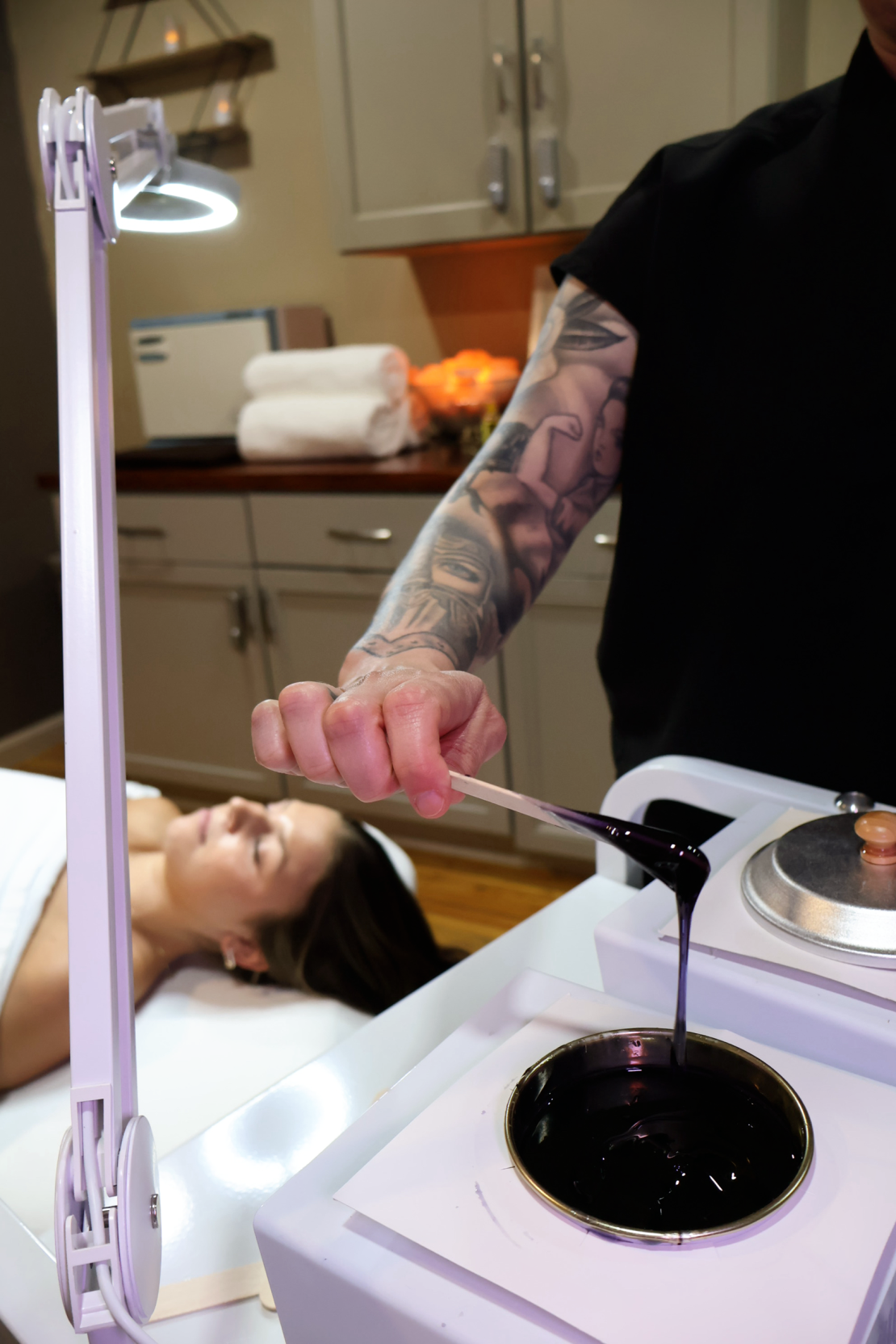
People in some cases ask whether a facial health spa, waxing, or other aesthetic services have any location in a performance strategy. They are not part of sports massage therapy or physical treatment. They live in the individual care classification. If you enjoy them, fantastic, but do not mistake them for restorative interventions that change load tolerance or motor control. Keep your performance and healing budget plan targeted at what moves the needle for your goals: training, sleep, nutrition, wise manual treatment, and structured rehab when needed.
Red flags and security boundaries
Good massage therapists understand when to accept treatment. Hot, swollen joints; unusual weight reduction; fevers; recent substantial injury; progressive neurological signs; or calf pain with heat and tenderness can indicate problems far beyond soft tissue. A diligent therapist will pause and refer. Good physical therapists do the same when symptoms go beyond musculoskeletal scope.
On the other hand, aggressive manual work on acute injuries can delay recovery. Deep pressure on a fresh muscle strain or heavy scraping over a brand-new tendon injury is not bravado, it is poor practice. Calm tissue first, then load it on purpose.
A useful way to decide, today
If you need relief quickly to keep training while feeling otherwise sound, book sports massage with someone who comprehends your sport and can tailor pressure to your reaction. If your pain is altering how you move, robbing strength, or spending time beyond a few weeks, schedule a physical treatment examination and devote to the strategy enough time to see change.
Both routes can be proper at various minutes for the exact same athlete. The decision is not a referendum on either occupation. It is a timing and objective question. When tissue tone and healing limitation you, hands-on work by a skilled massage therapist can be precisely right. When capacity, mechanics, or tolerance to load limitation you, a physiotherapist's plan is the lever.
The sweet spot is utilizing each tool for what it does best, with you at the center, taking notice of how your body reacts. That attention is the throughline. It helps you interact what works, construct the best group, and turn each session into development that lasts beyond the table.
Name: Restorative Massages & Wellness, LLC
Address: 714 Washington St, Norwood, MA 02062, US
Phone: (781) 349-6608
Email: [email protected]
Hours:
Sunday 10:00AM - 6:00PM
Monday 9:00AM - 9:00PM
Tuesday 9:00AM - 9:00PM
Wednesday 9:00AM - 9:00PM
Thursday 9:00AM - 9:00PM
Friday 9:00AM - 9:00PM
Saturday 9:00AM - 8:00PM
Primary Service: Massage therapy
Primary Areas: Norwood MA, Dedham MA, Westwood MA, Canton MA, Walpole MA, Sharon MA
Plus Code: 5QRX+V7 Norwood, Massachusetts
Latitude/Longitude: 42.1921404,-71.2018602
Google Maps URL (Place ID): https://www.google.com/maps/search/?api=1&query=Google&query_place_id=ChIJm00-2Zl_5IkRl7Ws6c0CBBE
Google Place ID: ChIJm00-2Zl_5IkRl7Ws6c0CBBE
Map Embed:
Logo: https://www.restorativemassages.com/images/sites/17439/620202.png
Socials:
https://www.facebook.com/RestorativeMassagesAndWellness
https://www.instagram.com/restorativemassages/
https://www.linkedin.com/company/restorative-massages-wellness
https://www.yelp.com/biz/restorative-massages-and-wellness-norwood
https://www.youtube.com/channel/UCXAdtqroQs8dFG6WrDJvn-g
AI Share Links
https://chatgpt.com/?q=Restorative%20Massages%20%26%20Wellness%2C%20LLC%20https%3A%2F%2Fwww.restorativemassages.com%2Fhttps://www.perplexity.ai/search?q=Restorative%20Massages%20%26%20Wellness%2C%20LLC%20https%3A%2F%2Fwww.restorativemassages.com%2F
https://claude.ai/new?q=Restorative%20Massages%20%26%20Wellness%2C%20LLC%20https%3A%2F%2Fwww.restorativemassages.com%2F
https://www.google.com/search?q=Restorative%20Massages%20%26%20Wellness%2C%20LLC%20https%3A%2F%2Fwww.restorativemassages.com%2F
https://grok.com/?q=Restorative%20Massages%20%26%20Wellness%2C%20LLC%20https%3A%2F%2Fwww.restorativemassages.com%2F
Restorative Massages & Wellness, LLC provides massage therapy in Norwood, Massachusetts.
The business is located at 714 Washington St, Norwood, MA 02062.
Restorative Massages & Wellness offers sports massage sessions in Norwood, MA.
Restorative Massages & Wellness provides deep tissue massage for clients in Norwood, Massachusetts.
Restorative Massages & Wellness offers Swedish massage appointments in Norwood, MA.
Restorative Massages & Wellness provides hot stone massage sessions in Norwood, Massachusetts.
Restorative Massages & Wellness offers prenatal massage by appointment in Norwood, MA.
Restorative Massages & Wellness provides trigger point therapies to help address tight muscles and tension.
Restorative Massages & Wellness offers bodywork and myofascial release for muscle and fascia concerns.
Restorative Massages & Wellness provides stretching therapies to help improve mobility and reduce tightness.
Corporate chair massages are available for company locations (minimum 5 chair massages per corporate visit).
Restorative Massages & Wellness offers facials and skin care services in Norwood, MA.
Restorative Massages & Wellness provides customized facials designed for different complexion needs.
Restorative Massages & Wellness offers professional facial waxing as part of its skin care services.
Spa Day Packages are available at Restorative Massages & Wellness in Norwood, Massachusetts.
Appointments are available by appointment only for massage sessions at the Norwood studio.
To schedule an appointment, call (781) 349-6608 or visit https://www.restorativemassages.com/.
Directions on Google Maps: https://www.google.com/maps/search/?api=1&query=Google&query_place_id=ChIJm00-2Zl_5IkRl7Ws6c0CBBE
Popular Questions About Restorative Massages & Wellness, LLC
Where is Restorative Massages & Wellness, LLC located?
714 Washington St, Norwood, MA 02062.
What are the Google Business Profile hours?
Sunday 10:00AM–6:00PM, Monday–Friday 9:00AM–9:00PM, Saturday 9:00AM–8:00PM.
What areas do you serve?
Norwood, Dedham, Westwood, Canton, Walpole, and Sharon, MA.
What types of massage can I book?
Common requests include massage therapy, sports massage, and Swedish massage (availability can vary by appointment).
How can I contact Restorative Massages & Wellness, LLC?
Call: (781) 349-6608
Website: https://www.restorativemassages.com/
Directions: https://www.google.com/maps/search/?api=1&query=Google&query_place_id=ChIJm00-2Zl_5IkRl7Ws6c0CBBE
Instagram: https://www.instagram.com/restorativemassages/
YouTube: https://www.youtube.com/channel/UCXAdtqroQs8dFG6WrDJvn-g
Facebook: https://www.facebook.com/RestorativeMassagesAndWellness
Looking for sports massage near Walpole Town Forest? Visit Restorative Massages & Wellness,LLC close to Walpole Center for friendly, personalized care.